Why Chase Development?
If you understand the incentives, you will understand the behaviors.
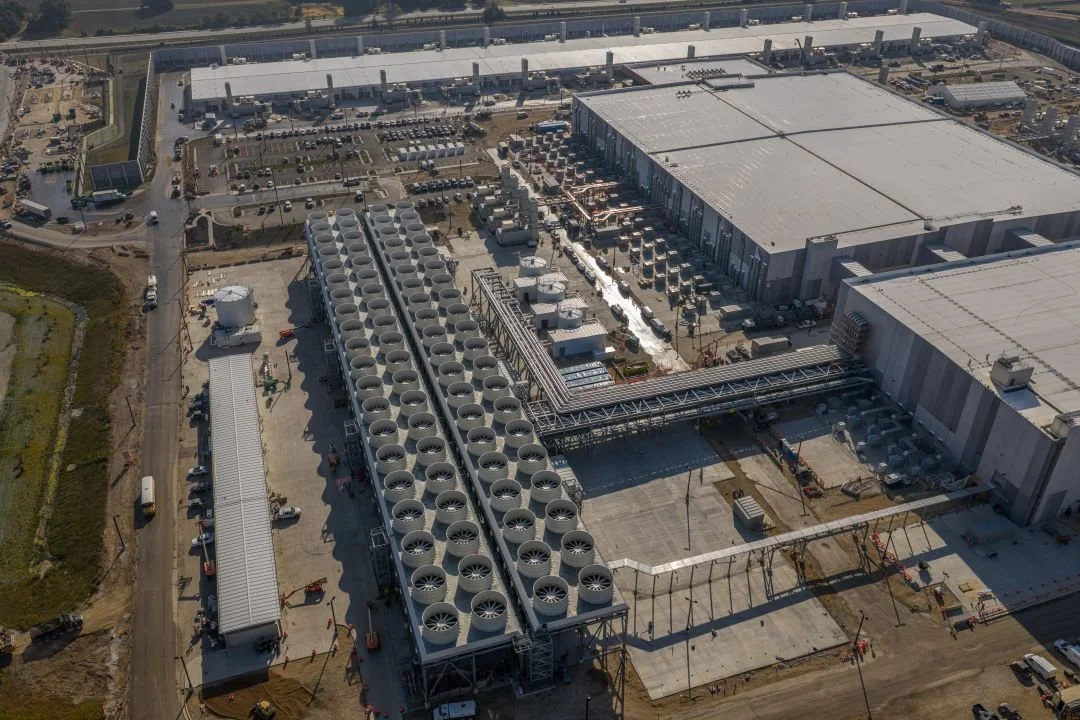
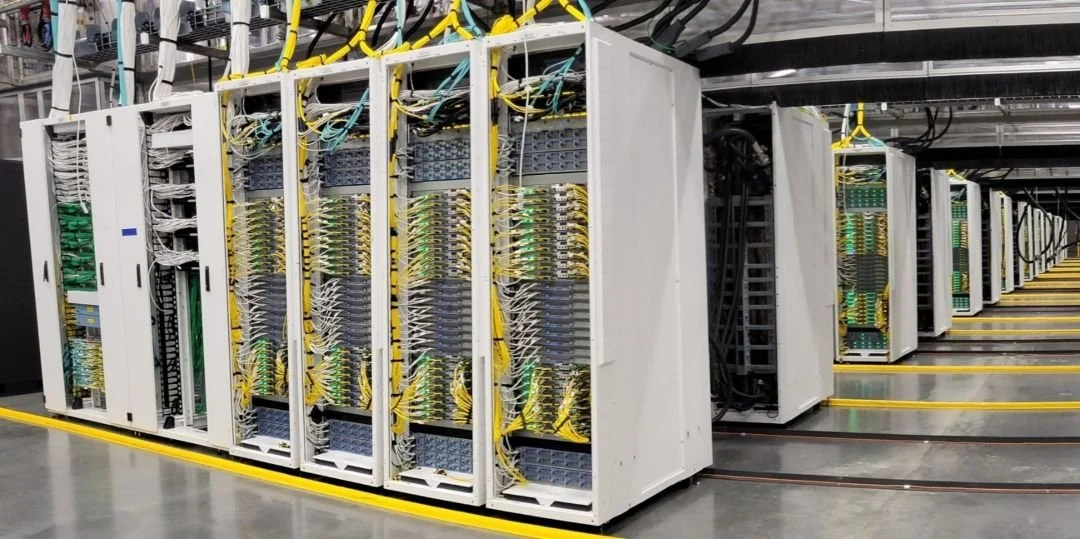
Chasing Development
Why do some municipalities seem to be chasing development, even to the point of paying developers sizable grants? Understanding how state law dictates a municipality's allowable tax levy is helpful to see the incentives that push people to build at any cost.
First, some term definition. "Tax levy" is the total dollar amount that the village collected in property tax last year. "Total valuation" is the sum total of property valuation in the village. The "tax rate" is then the levy divided by the valuation. That tax rate is then multiplied by your property's valuation to get your tax amount due. A bit oversimplified, but it'll do.
Next, state law does not allow municipalities to just set the levy at whatever they want. You can interpret that as well-intentioned: the state wants to keep a local government from crushing its residents with huge increases or huge rates. Or you can look at it as micromanaging. I can see both sides and I'll land in the middle. Some constraints would be good, and some room to maneuver would be good as well.
So what is allowed? Well, the formula is pretty simple:
What was your tax levy last year?
Debt is treated separately, so add the increase/decrease amount of debt payments vs last year. (If last year debt payments were $1M and this year they will be $1.1M, then you get to add $100K to the levy total.)
Now here's where your eyebrow will rise and dots will start to connect:
Calculate the percentage of NET NEW CONSTRUCTION (NNC) divided by your TOTAL VALUATION. Then add up to that number to your tax levy. So for example, if you added $1M in net new construction and your prior year's total village valuation was $10M, then you can legally raise your total tax levy by 10%.
If you had no NET NEW CONSTRUCTION, your tax levy stays flat to last year, EVEN IF INFLATION WAS STUPID HIGH. Too bad, so sad.
If you think like I do that to understand most human behavior is to understand the incentives, you start to see why there's so much pressure to develop.
Before being too generous, budgeting is hard and being good at it means being able to make good but tough decisions. Budgets are always tight and every department of an org always needs more than there is to give. Tough decisions at budget time are a guarantee.
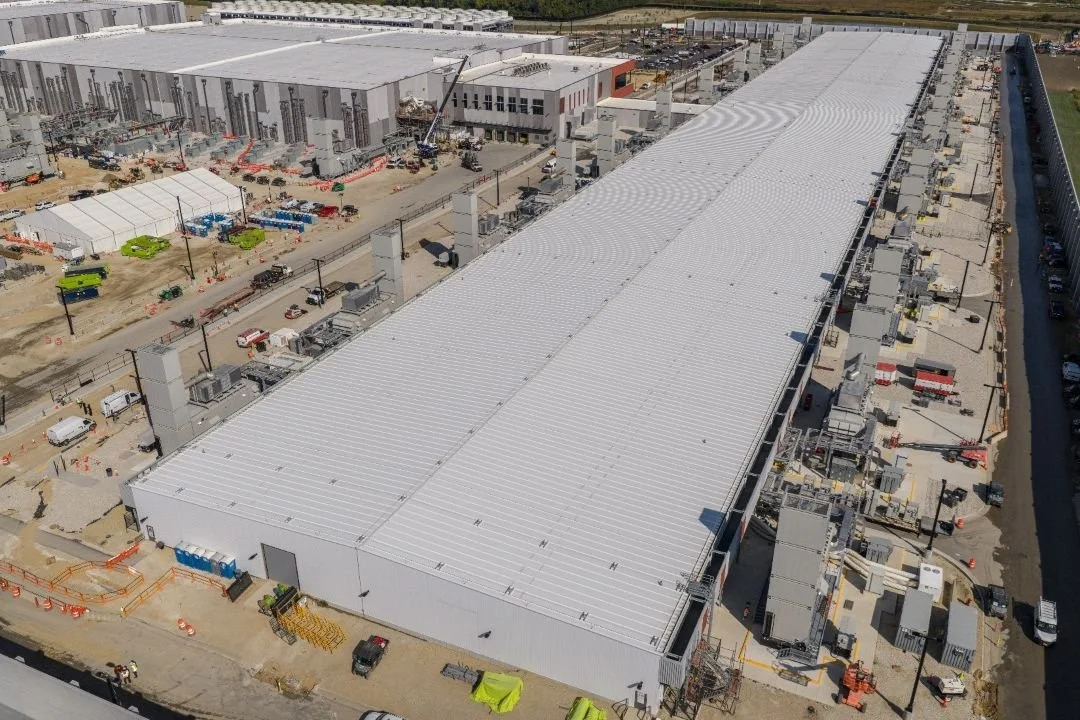
When build-like-crazy is used to reduce tough decision-making, though, that's the wrong reason to build.
What's really broken in the calculation is the absence of any inflation adjustment. Not every cost is affected by inflation, but enough of them are that never developing would see your village budget's purchasing power slowly erode until you were forced to go to referendum to get more. The municipalities that are completely built out, like Wind Point, WI have this challenge. Neighboring Caledonia, on the other hand, has plenty of open space and a state-mandated human incentive to use it.
And now for a little Advanced TID shenanigans to complete the incentive puzzle.
Development that happens in a TID is included in the NNC number even if the TID is still open.
The TID's net new valuation, though, is NOT included in the total village valuation.
So watch what happens.
Year 1:
100 homes, $350k each, total valuation $35M
Assume a tax rate of 1.5%
Tax levy is $525k, or $5250 per home
Year 2:
10 new homes built in a TID, also each worth $350k, total new valuation $3.5M
No new homes built outside of TID
State law allows 90% of that new valuation in NNC calculation
$3.5M * 0.90 = $3.15M
NNC % = ($3.15M / $35M) = 9%
Community can raise its levy by up to 9% from $525K to $572K.
The 100 homes outside the TID have to pay that $572K, or $5723/home.
The new homes are paying the 1.5% tax in year 2 as well, but their money is going into paying down the TID’s costs.
Rinse and repeat for 19 years.
...but wait, it's not over being crazy. When the TID closes, state law allows 10% of the TID new construction valuation to be added AGAIN to the NNC number. Yay me, one less tough decision to make in the upcoming budget.
If you read that about 5 times and really digest it, you see the incentives:
More development is always good financially
More development makes budgeting easier
Developer incentives, like agreeing to pay them back $458M like in the case of Port Washington, don't affect the calculations, they just delay when tax revenue goes into the general fund
Taking on more debt is fine, until you get close to the state-mandated cap, because you automatically get to raise taxes to cover debt payments
Underperforming TIDs are disappointing but no more than that. You can always just start another one.
Wrapping this up, there are some people who believe for ideological reasons that all development is good, and they are currently being encouraged by state law. More jobs, more indirect benefits, more, more, more. More is always better. When you adopt this ideology, it never ends. The treadmill is always moving and you just keep chasing the next development dollar. You stay at it with such unquestioning fervor that the chasing becomes the goal.
Conversely, I think there are people who dislike all development and will resist reflexively.
Then there's the group in the middle that says "Let's just make smart choices. What's in it for the residents? And can we deliver? What are the risks?" Open minded but cautious. Non-ideological.
Really really wrapping this up with a provocative statement: those that push hard for any and all development do so in order to raise your taxes, not lower them.
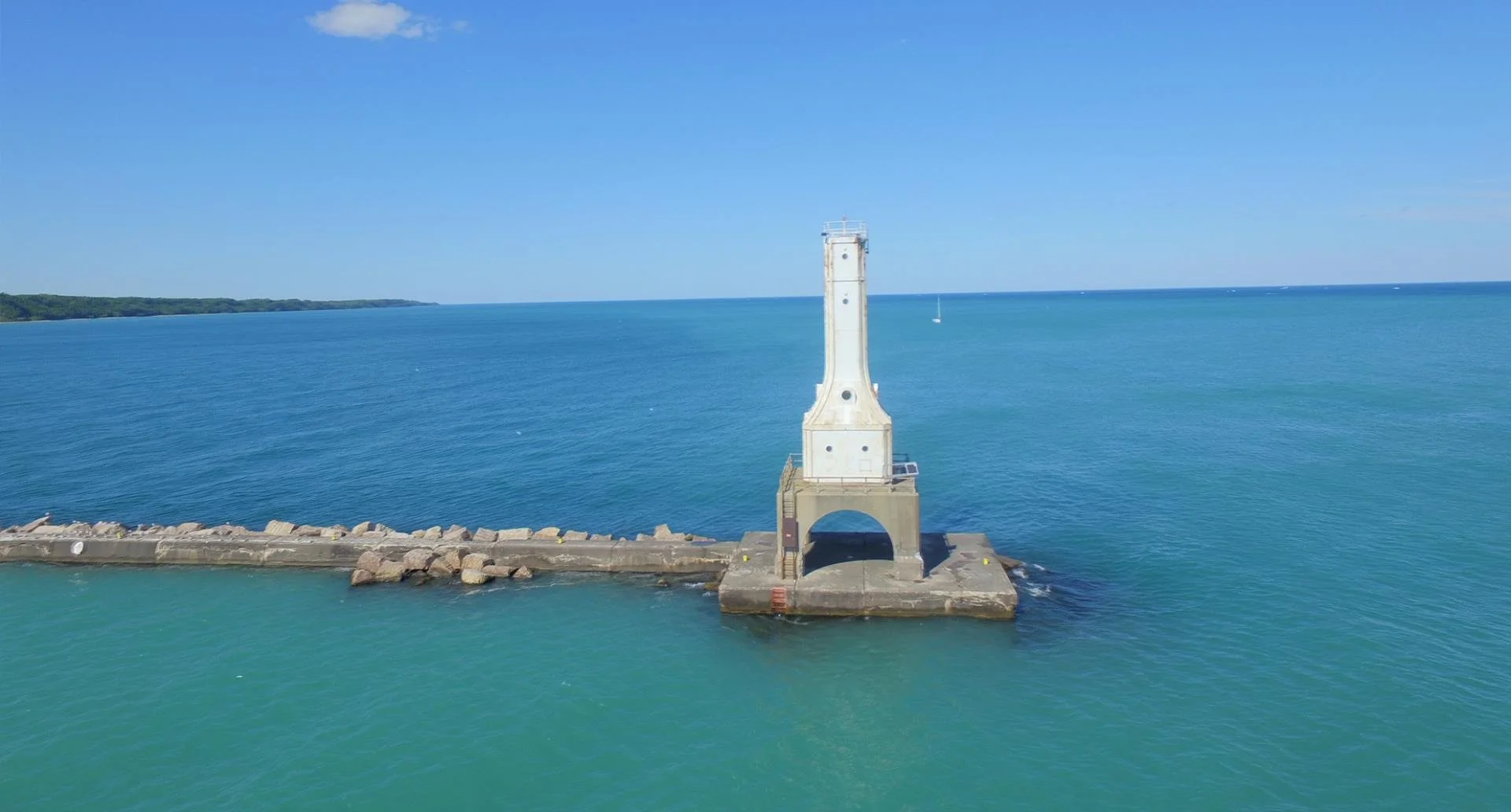
Revisiting Port Washington
Worst deal ever. No tax revenue benefit for the city for 20 years, and then only if everything goes perfectly as planned – buildings get built on time and at forecasted size, expenses hit their forecast. Who signs up for that?
Take the above incentives into account and it starts to make sense why.
Your elected officials are budget constrained every year
Without net new construction, those constraints get slightly worse every year
To increase the budget, you can either find new construction or go to referendum
Referendums are a dice roll, and even if successful elicit scorn from a significant portion of the residents
Along comes a large corporation willing to build more than you ever dreamed imaginable
State law allows you to raise your levy by that amount, spreading the increase over 5 years so the increases are less acute
The pattern of the sales pitch is the same: “This new source of tax revenue will lower your taxes, potentially by a lot.” Then the reality sets in. The new taxpayer doesn’t start paying taxes that can be used by the city for 20 years, so the message shifts to: “This new source of tax revenue will reduce the future increases in taxes.”
Then the very harsh reality sets in. For the next 20 years the current residents will see the same increases they always have, maybe even a little more as the new taxpayer requires city services and the massive project occupies time and attention of city officials but isn’t delivering usable tax revenue yet.
Now let’s look at some math. Year 1 of their plan claims $568M in new valuation. Port Washington’s 2023 equalized valuation was $1.59B. That’s a 36% increase in valuation in one year. State law allows that to be spread over 5 years, so the city officials look straight past the deal’s problem of the absence of usable tax revenue and start thinking of the data center as an outright elimination of the constraint on raising tax revenue for as far as the eye can see. Just that first year of construction affords the city the ability to raise your taxes 7% per year each year for 5 years. Add the rest of the construction schedule and you can see why city officials are so enamored with the deal: it eliminates any reasonable constraint on their ability to tax for 20 years. Then at the end of the 20 years, the tax revenue arrives and they can brag that they don’t have to raise your taxes any more.
And what went wrong with that whole logic is that the city officials looked at the deal from their perspective, not the residents’ perspective. Simple as that.